

If a will is drafted on a mobile phone, is it valid?

digital afterlife or legacy on phone

Credit: Michal Zacharzewski, SXC

According to this recent blog post by IdeaLaw, the answer is “yes, it can be!” There has been a case in Queensland already in which the court ruled that a will drafted on an iPhone was valid.

Three elements need to be satisfied for a court to find an informal will valid.

1) That it is a document
2) That the document states the deceased’s intentions for their estate after their death
3) That the deceased intended the document to be a will

Which leads to an important question.

Are there or could there be wills drafted on social networking sites or within an email inbox that could be declared valid in the future?

IdeaLaw proposes that this could be so if these above elements can be demonstrated. Read their blog post for a legal perspective on the Queensland example and potential consequences in layman’s terms.
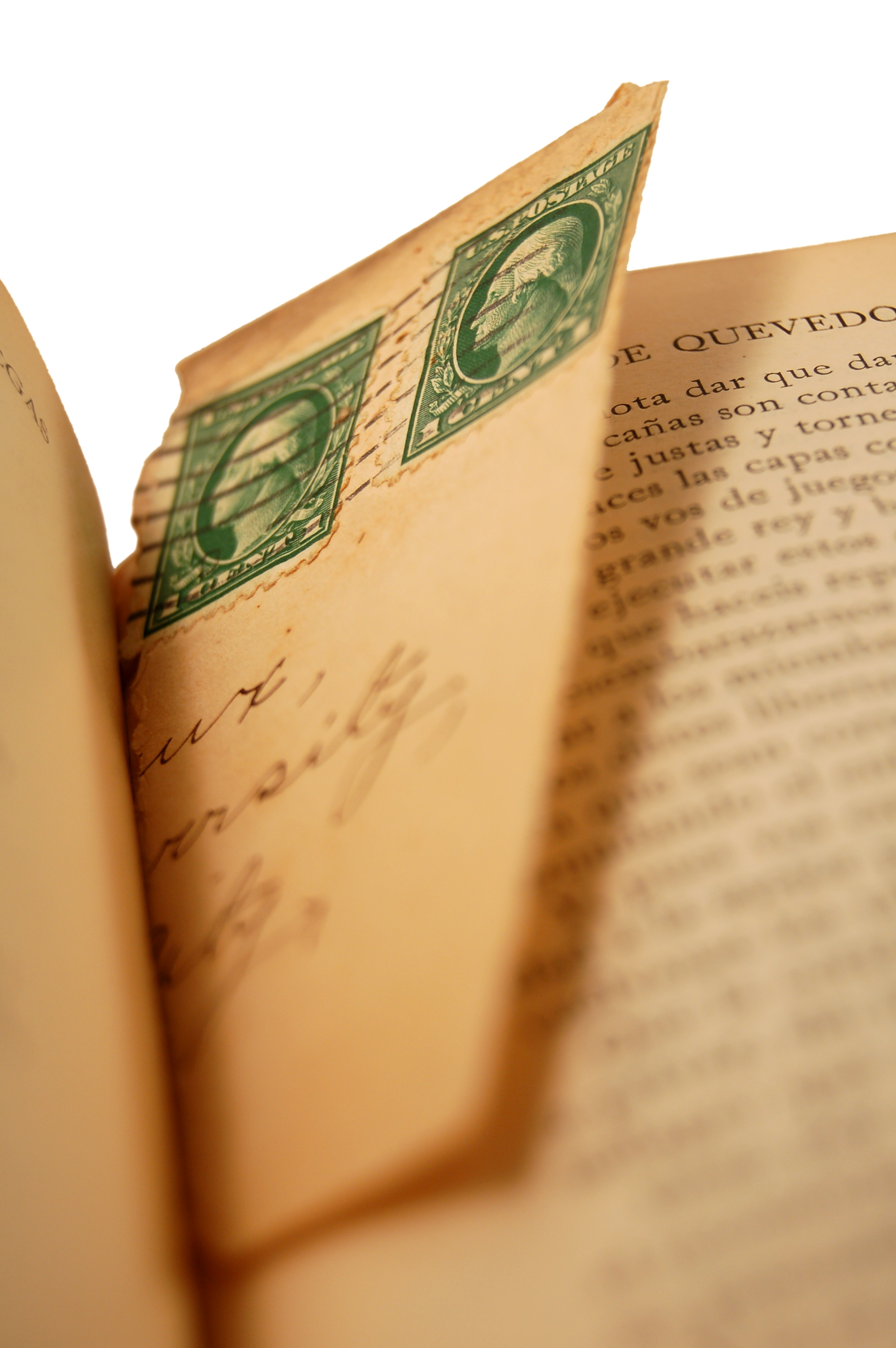
Messages from Beyond

Digital afterlife messages from beyond

Ben Earwicker, Garrison Photography

I love reading through and reminding myself of the messages received from DBS after he died. When I say that, I don’t mean ‘other realm’ kind of messages delivered by a psychic or similar. Instead, I’m referring to handwritten notes or cards written by him and addressed to me which I received after his death.

They provided tremendous comfort and still do. Which has made me think about how I should leave messages to friends and family for when my time comes. It’s not an easy thing to think about but if you’re making a digital will that addresses practical items such as password transfer to next of kin or instructions on what to do with your digital information, including a personal message with this information may be a logical next step.


Messages from DBS

In previous posts, I’ve mentioned that my brother preferred committing thoughts down by pen and paper as opposed to using email or social. We weren’t reliable communicators but despite this, I received multiple messages from him over a period of several weeks after he died.

The first message I received from DBS was two days after his death. Sitting in my mailbox, was a postcard that had been sent several weeks previously but took its time to arrive because he’d sent it from a very remote overseas location. Later there was the card he’d scrawled to me in Afghanistan but that he hadn’t had a chance to send which came back with his personal effects.

Months later when sorting through his papers at home, I came across his ‘unofficial’ will, a piece of dated A4 paper in his beautiful, black ink writing stating his intention for his estate. While mostly formal in nature, he’d included a personal message to me. I was touched and moved for days afterwards.

Finally, his diary revealed what I hadn’t been able to discover from Google because of their stance they took (at that time) of not sharing an account holder’s data with next of kin without going through legal proceedings. When DBS died, one of the first things I wanted to know at the time and eventually obsessed about, was whether or not he had read my emails that I’d sent to him while he was stationed in Afghanistan. Somehow, not knowing if he had received them meant that they started to represent something more significant for me; whether or not he knew that he was in my thoughts and that I loved him.

When I eventually brought myself to read his diary months later, I saw an entry dated 21 October that opened with…. ”Today, I received another lovely email from Emily….”

Words cannot describe how I felt at that time. It seemed as though I had received a personal answer from him to the question that had hounded me for a significant period of time.

Learn how to transition your email and personal data to next of kin using Google Inactive Manager.

Things to consider when working with digital services offering to send messages to loved ones

DBS hadn’t planned the way in which I received messages from him after he died with the exception of his handwritten will. I feel fortunate though that I received them and the emotional benefits are unquantifiable. On each occasion, his notes gave me a real sense of happiness and I almost felt as if he was visiting me in some way. I still glow when I think about them and value these mementos.

For anyone considering estate planning, I’d recommend including this kind of personal touch for friends and family for conveying love and providing comfort.

Given my own experience, I’m a fan of planning with handwritten notes however, there are now a wealth of digital services that you can work with to leave messages for loved ones with. A note of caution though. If you plan to go digital, check with the company to check their stability and financial status. A few companies I’ve researched from 2007 have been acquired or simply shut up shop, such can be the fleeting, temporary nature of digital. Also beware of the organisations that don’t have a long term vision or plan for their business. You want to be confident when signing up to a service that it will comfortably outlive you and honour your wishes in the future.

In all dealings with companies assisting you with digital afterlife services, I’d suggest researching with the following questions in mind:

  • How long is their commitment to providing digital services? Are they thinking day-to-day terms or over fifty years, hundred years?
  • What is their financial status?
  • What will happen to customers’ planning services in the event that they fold/are acquired?
  • Where how/will they share your final message? If it’s via a third party social networking platform, what happens to your message if the platform no longer exists?

It’s a new digital realm so it’s wise to do your background research. And spend some time understanding terms and conditions, particularly around what kind of jurisdictional rules may apply to you from a legal perspective and on what basis the company will share private data.

If you’re not confident about a digital service, do your own video recording and give it to your solicitor or a close family member or friend to look after while attending to your estate planning. It doesn’t have to be complicated. Based on my own experience, a simple handwritten note placed somewhere safely or with someone can make all the difference to those left behind.

NEXT ON THIS: DIGITAL AFTERLIFE MESSAGE SERVICES

Digital services for managing passwords and other important information

A legal representative such as a solicitor or lawyer can act as a third party confidant in helping you plan a digital afterlife and privately keep your passwords on file for next of kin. There are also many, many different digital legacy and afterlife services that are emerging and you can compare their approach. Here are some digital services that store and help you organise your confidential information including passwords and offer the option to transfer relevant information to beneficiaries when the time comes.

These are ones that I’ve been made aware of recently but not necessarily trialled. I’d recommend that you do research services thoroughly before committing to make sure that you find one that suits your requirements.  Many digital offerings provide the option of a free trial as well.

Are there others you’d suggest? If so, please drop details in the comments section below.


Cirrus Legacy

This service (UK based) allows clients to manage their online accounts on a day to day basis as well as upload and store critical documents appertaining to their life. Account information and documents or files can be assigned to an executor or a guardian after death to carry out their last wishes. Cirrus does not give ownership to any financial, sentimental, intellectual or social data but offers are a series of signposts if you will to the accounts for executors and family to deal with on a one to one basis.

According to Paul Golding who owes Cirrus Legacy, if the firm was acquired the data would move to the new owners, who would have to adhere to our clients wishes in regards to sharing and the usage of their personal information as specified by the client at sign-up. If the firm were to close down, a process is in place granting time for the individual client to retrieve their stored information. The company also runs an affiliate program across a UK solicitor network.

Passing Bye

Passing Bye focuses on providing a file vault for documents and a secure central password management system but also offers a journal type facility where you can store favourite personal items such as stories, memories, recipes, photos or videos. Another feature highlighted is the option to store last final messages which are sent to intended recipients when you’re gone. Sharing options and rights are built into the service and subscribers pay on an annual basis with a free 30 day trial available.

Planned Departure

Another service (UK based) that acts like an electronic vault, holding your important documents, account details and passwords. It was designed and built specifically for digital afterlife planning and requires you to give contact details for next of kin or nominated representatives to speak to when the time comes. The company offers a 14 day trial and offers payment plans on a monthly, yearly or lifetime basis.

SafelyFiled

SafelyFiled offers a platform for users to organise, store, and retrieve important documents and account details. It then allows the account owner to share information with family members or professional advisor. Different types of information can be shared with different beneficiaries and prompts are sent when it’s time to update or renew important documents. SafelyFiled offers a free account for medical information and a 30 day money back guarantee on other services if not fulfilling your needs. It also offers very useful checklist resources.

Your Digital File

Your Digital File is a newly launched service based in Australia specialising in the digital storage,sharing and signing of confidential documents. It positions itself as a hyper secure service both for personal and corporate use..

It securely protects confidential files from others (even Your Digital File can’t see them) and provides a secure means to share and manage documents. Nominated documents (ie wills), are released to beneficiaries when the account holder dies once verified by Your Digital File. The company has a tiered level of account offerings based on how much storage a subscriber needs.